Freya Carter · 13 September 2026
Shifts in Data Handling Protocols for Next-Generation Forging Applications
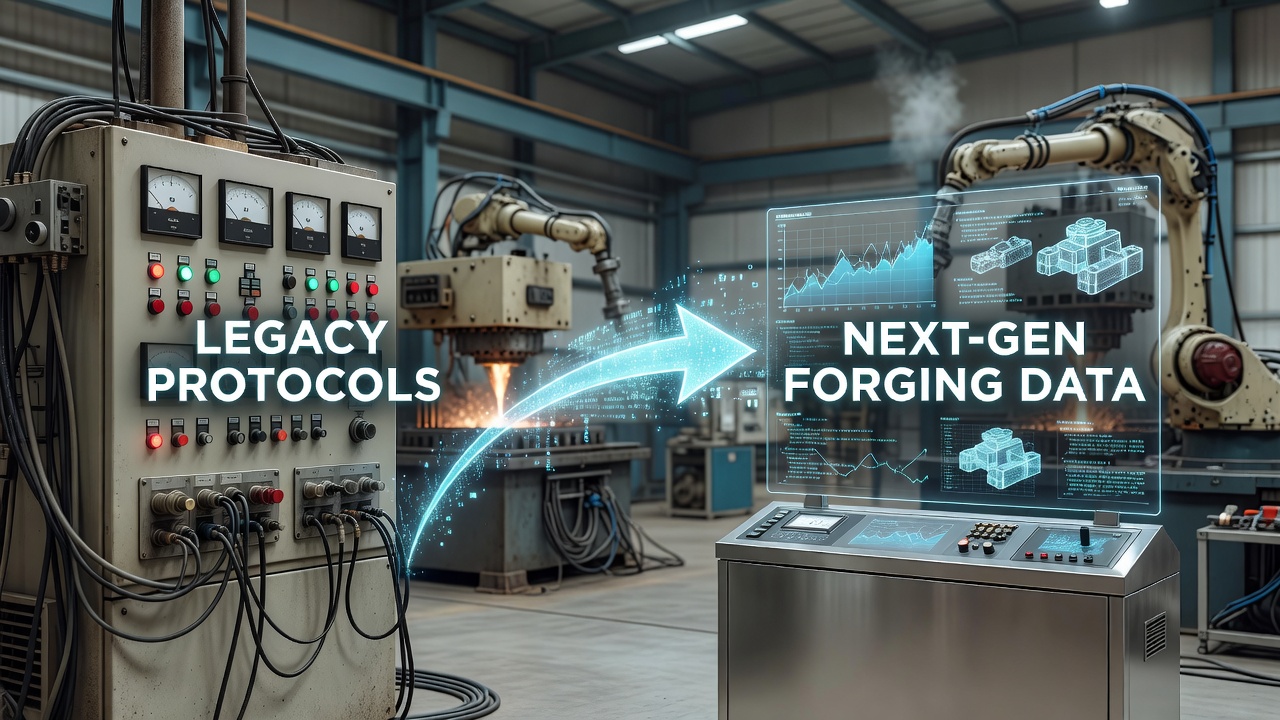
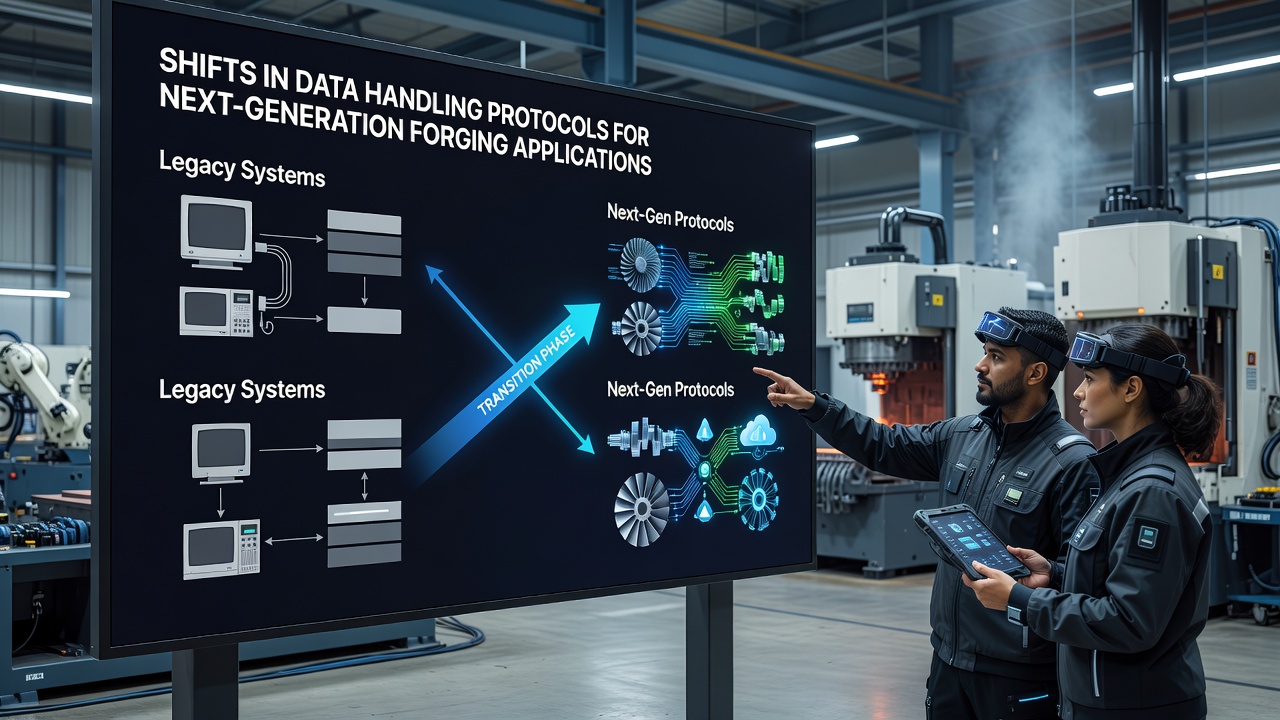
Next-generation forging applications rely on integrated sensor networks that capture temperature, pressure, and deformation metrics in real time, and these streams now flow through encrypted channels rather than legacy spreadsheets or isolated servers. Manufacturers have moved away from on-premise storage toward distributed ledgers and cloud platforms that enforce granular access rules, while older file-transfer methods give way to API-driven exchanges that log every query and modification. Research from the National Institute of Standards and Technology shows that adoption of zero-trust architectures in heavy-industry environments rose sharply between 2023 and 2025, driven by documented incidents of unauthorized access to production databases.
From Paper Logs to Structured Data Pipelines
Decades ago forging plants recorded heat-treatment cycles on clipboards and filed them in cabinets, yet the introduction of programmable logic controllers in the 1990s created the first digital records that operators could export as comma-separated files. Those early datasets lacked metadata standards, which made cross-plant comparisons difficult until organizations began aligning with ISO 8000 data-quality guidelines. Today each press stroke can generate thousands of data points that feed directly into edge-computing nodes; these nodes apply schema validation before forwarding compressed packets to central repositories, reducing latency and ensuring consistency across multiple facilities.
Security Frameworks and Access Controls
Protocol changes emphasize continuous authentication rather than one-time passwords, so every device on the shop floor must present cryptographic certificates that rotate automatically every twenty-four hours. Audit trails capture not only who viewed a forging recipe but also which algorithm validated the material batch, and these logs integrate with enterprise resource-planning systems to trigger alerts when anomalies appear. European manufacturers following the NIS2 directive have implemented mandatory incident-reporting timelines that require notification within twenty-four hours of detecting data integrity breaches, a requirement that has prompted investment in immutable storage solutions.
Integration with Predictive Analytics
Machine-learning models now consume historical forging datasets to forecast die wear and recommend maintenance windows, yet these models require clean, labeled training data that older protocols rarely supplied. Plants therefore adopted semantic-tagging standards that attach material certificates, operator identifiers, and ambient-condition readings to each production record. A 2024 study by the Fraunhofer Institute for Manufacturing Technology and Advanced Materials demonstrated that plants using these enriched datasets achieved a 17 percent reduction in unplanned downtime compared with facilities relying on unprocessed logs. The same study noted that data volume per forging line increased twelvefold once high-resolution infrared cameras and acoustic-emission sensors joined the network.
Regulatory Milestones and September 2026 Updates
Global supply-chain traceability rules continue to evolve, and observers point to forthcoming guidance expected in September 2026 from the Australian Department of Industry, Science and Resources that will mandate blockchain-backed provenance records for aerospace-grade forgings. Similar requirements already exist in certain defense contracts, where each component must carry a digital thread that survives the full lifecycle from billet to finished part. Compliance teams therefore test new data-handling workflows against multiple jurisdictions simultaneously, mapping fields such as alloy composition, heat number, and inspection results to standardized schemas that satisfy both North American and Asian regulators.
Case Examples from Industry
One automotive supplier in Germany replaced its nightly batch uploads with streaming pipelines that push forging-force signatures to a regional data center every thirty seconds; the change allowed real-time statistical process control and cut scrap rates by nine percent within the first quarter. Another facility in Japan integrated quantum-resistant encryption modules into its press controllers after internal simulations showed vulnerability to future decryption attacks. Both examples illustrate how protocol shifts are implemented incrementally, beginning with pilot lines before full rollout, and both rely on third-party audits to verify that encryption keys remain segregated from production networks.
Conclusion
Data-handling protocols for next-generation forging applications continue to adapt as sensor density grows, regulatory expectations tighten, and analytics demands increase. Standards bodies and government agencies publish updated specifications on regular cycles, while manufacturers document measurable gains in uptime and traceability once new pipelines replace legacy methods. The trajectory points toward tighter integration between physical forging equipment and secure, distributed data environments that support both operational efficiency and compliance verification across borders.