Sofia Keller · 27 September 2026
Adapting Legacy Techniques for Contemporary Challenges in High-Stress Material Molding
Legacy techniques in material molding trace their origins to early metalworking practices that relied on heat, pressure, and manual skill to shape durable components, and these methods continue to inform solutions for today's high-stress applications in aerospace, energy, and heavy manufacturing sectors. Researchers have documented how traditional forging and casting processes, once limited by material knowledge and equipment precision, now integrate with computer modeling and advanced sensors to handle alloys that endure extreme temperatures and mechanical loads.
Historical Foundations of Molding Practices
Centuries-old approaches such as open-die forging and sand casting established core principles of material flow and stress distribution, principles that engineers still reference when developing components for turbine blades and pressure vessels. Data from industry reports indicate these techniques achieved consistent grain structures through controlled deformation, a foundation that supports current efforts to mold high-performance superalloys and composites without introducing defects.
Early practitioners adjusted variables like temperature and hammer force through observation alone, whereas contemporary teams combine those same adjustments with real-time monitoring systems that track microstructure evolution during the process. This continuity allows facilities to maintain production reliability while scaling up to meet demands for larger, more intricate parts.
Current Pressures on High-Stress Molding Operations
Modern challenges include the need to process materials that resist deformation at elevated temperatures, such as nickel-based superalloys used in jet engines, while maintaining tight tolerances and minimizing waste. Studies from materials research centers show that legacy methods alone often fall short when applied to these alloys because of rapid work hardening and unpredictable phase transformations under high stress.
Regulatory updates scheduled for September 2026 from international standards bodies are expected to introduce stricter requirements for traceability and performance validation in molded components, requirements that push manufacturers to refine older workflows rather than abandon them entirely. Equipment operators report that integrating legacy heating cycles with digital controls helps meet these emerging benchmarks without complete process overhauls.
Integration Strategies That Preserve Core Methods
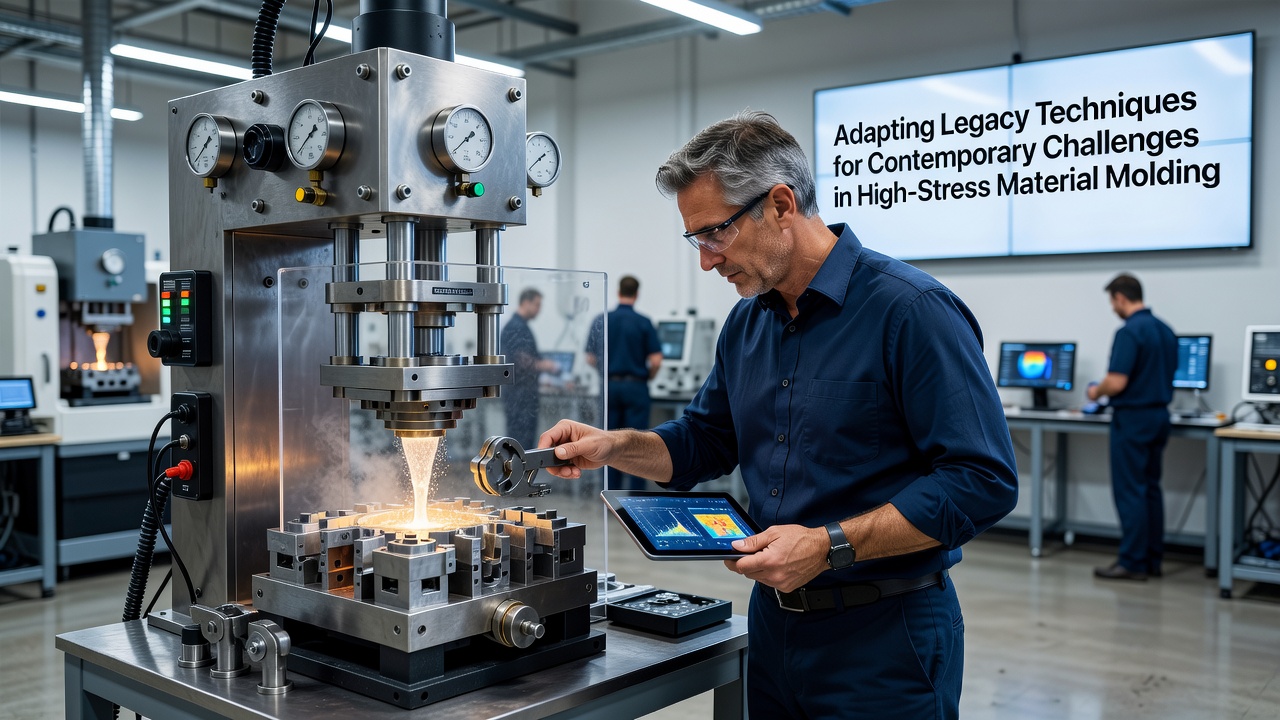
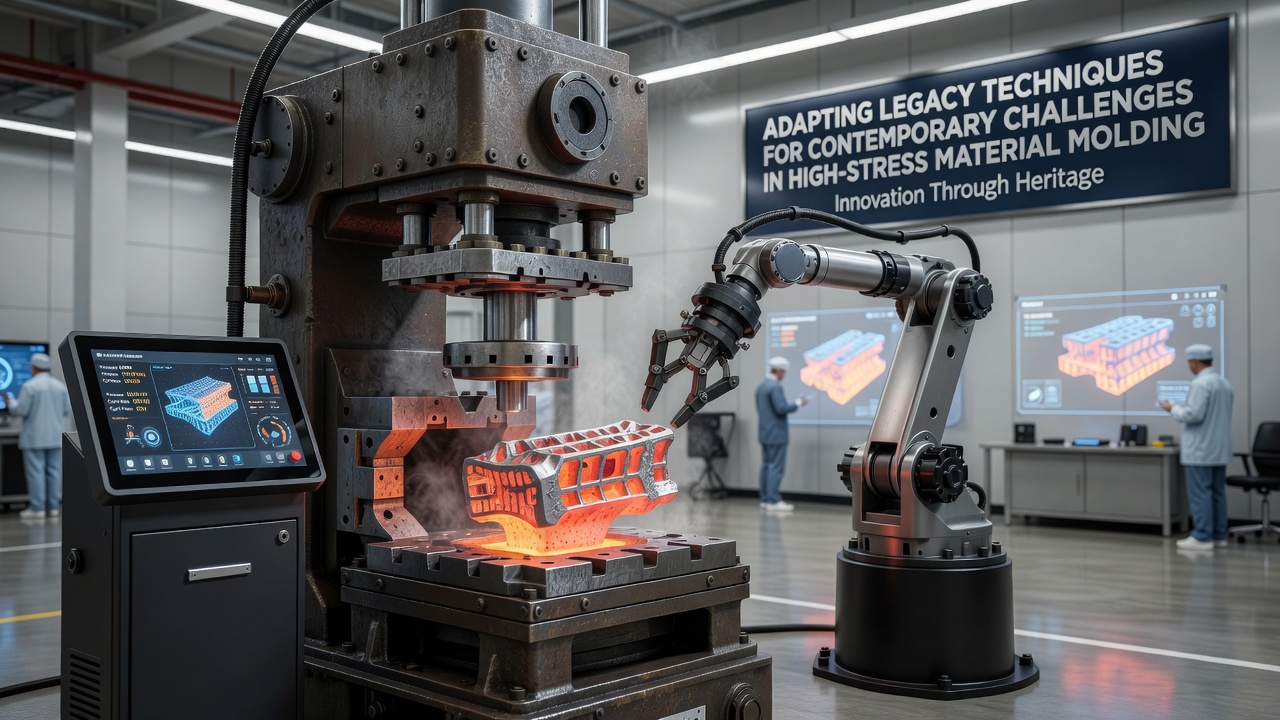
Facilities adapt traditional techniques by pairing them with finite element analysis software that simulates stress distribution before any physical molding begins, an approach that preserves the intuitive adjustments craftsmen once made by hand. Evidence from production logs reveals that this hybrid model reduces trial runs and improves yield rates for parts subjected to cyclic loading.
One documented case involves a European aerospace supplier that retained its original hydraulic press setup while adding induction heating elements calibrated through legacy temperature charts, a combination that allowed consistent molding of titanium matrix composites. Observers note that such modifications respect the original process physics while addressing contemporary issues like oxidation control and residual stress management.
Case Examples from Industry Applications
Automotive manufacturers have applied adapted drop-forging sequences to produce lightweight suspension components from advanced high-strength steels, sequences originally developed for railroad equipment in the early twentieth century. Figures from trade association surveys indicate these updated sequences achieve the required fatigue resistance while lowering energy consumption compared with fully new processes.
Energy sector projects in Australia have drawn on historical casting practices for pressure vessel heads, updating them with vacuum-assisted pouring systems that align with the original mold designs yet accommodate larger volumes of creep-resistant steels. Research from CSIRO highlights measurable gains in component lifespan under high-temperature service conditions when these combined methods are employed.
Training and Knowledge Transfer Approaches
Skilled trades programs now incorporate legacy process documentation alongside digital twins, allowing new operators to understand the physical reasoning behind each step before relying on automated controls. Data collected by workforce development organizations shows that this layered training reduces error rates during the transition to high-stress material production.
Apprenticeship models in North American foundries pair experienced molders with simulation specialists, creating teams that can troubleshoot issues like die wear or flow irregularities using both tactile feedback and sensor data. This collaboration maintains the hands-on insight that defined earlier eras while scaling expertise across complex projects.
Conclusion
Adaptations of legacy molding techniques continue to deliver reliable outcomes for high-stress applications when combined with current analytical tools and monitoring technologies. Production data across multiple sectors confirm that these evolved processes meet tightening performance and regulatory expectations without discarding proven material-handling principles. As standards evolve in September 2026 and beyond, facilities that retain core methods while layering on modern controls position themselves to address ongoing material and operational demands effectively.